I read petitions the way editors read pitches. Not for what's there. For what's missing.
Early last year, someone crossed my desk that I still think about. It was a perfect mismatch. When I say that, I don't mean the person lacked credibility. I mean the opposite: they had everything. They were extraordinary, and their work spoke for them. A decade of real research. Patents. Papers that had been cited without anyone padding the count. The kind of career that doesn't need embellishing, because the substance was already doing the work.
He'd found us back in 2024, just months before he filed his petition. First call, first impression, all the right instincts. "I want to do this properly," he said. "Let's space things out. No rush." Six months, he told me. I remember thinking, good, that's enough time to do this right.
Then he disappeared.
Not unusual, people go quiet for all kinds of reasons, and I assumed he'd come back when he was ready. What I didn't know was that somewhere in that silence, he'd gone and filed on his own, media evidence and all, without a word to us.
He came back to us about ten months after our first call, but not with a request for placements, but with a Notice of Intent to Deny (NOID).
A NOID is not a gentle document. An RFE asks you to explain yourself further. A NOID tells you the officer has already decided against you, and is giving you one last chance to change their mind before it becomes final. It's the difference between a teacher asking you to redo the homework, and a teacher already holding the F, waiting to see if you have anything to say for yourself.
I looked at what had been filed. Four articles, all published within the same eleven weeks, timed almost to the day with his original filing. Needless to say, I hated the articles. They read more promotional than an advertorial for Dove, and Dove is literally selling soap. One headline had called him a "visionary pioneer redefining the future of the industry." Nobody in the history of laboratories in his industry has ever said that sentence out loud about a colleague. Those are the kind of headlines that worked till 2023 and late 2024, and even then they were scrutinized like counterfeit currency.
His attorney looked at the NOID and made the call: don't respond, refile. A NOID response is arguing with a decision that's already mostly made. A fresh filing is a chance to build the case properly the second time, and she wanted a media record that could actually hold, not just a rebuttal to the one that couldn't.
That's where we came in properly, for the first time.
We needed to dig old graves; we didn't reach for four more articles as fast as we could get them. We went back further than the petition ever had, into work he'd done years before he ever thought about filing, and built something new out of what was already real. It wasn't fast. It wasn't the kind of thing you can rush by hiring more writers. It just took the time it took.
I won't walk through exactly how we rebuilt it. Some of that is just ours to keep. What I'll say is that by the time we were done, there was finally a before, something that had existed long before anyone needed it to.
A week back, he called us, his voice slightly shaky from relief, joy and everything in between, his petition had been approved. It took over a year, a NOID and a refiling, but it came through. Nothing about his science had changed. The four original articles were gone from the record entirely; this was a clean refiling, not a patch job. What changed was that the new record had a spine, built from something that existed before the need did, rather than four weeks of enthusiasm engineered around a filing date.
I think about this every time someone tells me they've got six months and no rush, and I believe them, because I think they mean it. The silence afterwards is never malicious. It's just what happens when six months starts feeling like plenty of time, right up until it isn't, and by then the filing's already gone in without us.
If you're early in this process, earlier than you think you need to be, this is the only advice that actually holds up: let your public record start before you need it to prove anything. A mention here. A quote there. Something small, unremarkable, months before it matters, with no fingerprints of urgency anywhere on it.
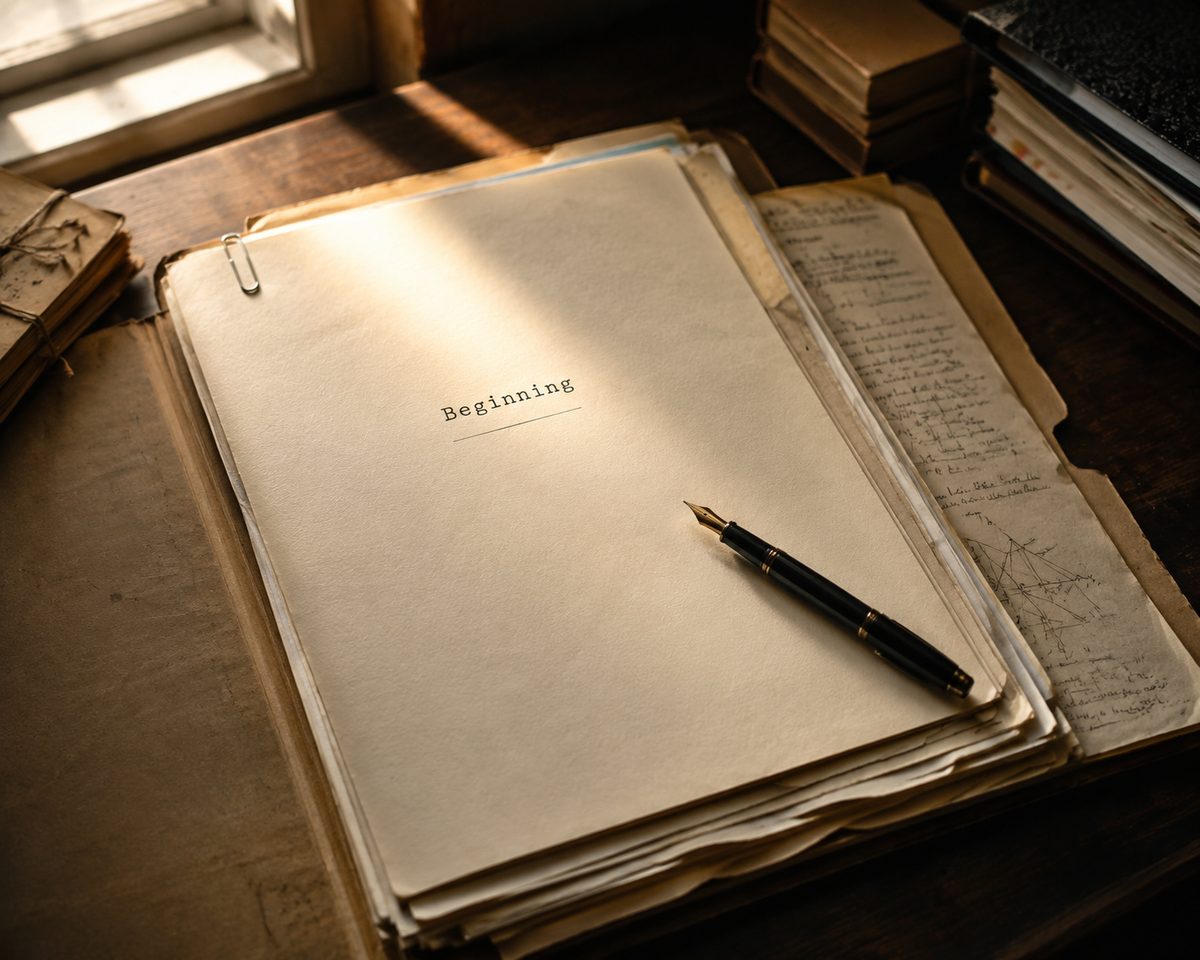
Because the file that gets remembered isn't the one with the most articles, it's the one that already had a beginning, long before anyone went looking for one.
Let your record have a beginning
If you're months out from filing and think you have "no rush" — that's exactly the right time to talk to us, not the wrong one.
Start a conversation